
Peer Support
Talk to someone who has been there. Our trained volunteers live with spinal cord injury and are here for you and your family.
You’re not alone
The heart of what we do
A spinal cord injury changes life instantly. Everyday activities, once taken for granted, become new and frightening challenges. Nobody should have to face those changes alone.
SCI PEI’s peer volunteers speak from personal experience. They meet with people with a spinal cord injury and their families to guide and support them, together and individually, through rehab and beyond. Through their own lives, they show that while there are challenges, you can get your life back.
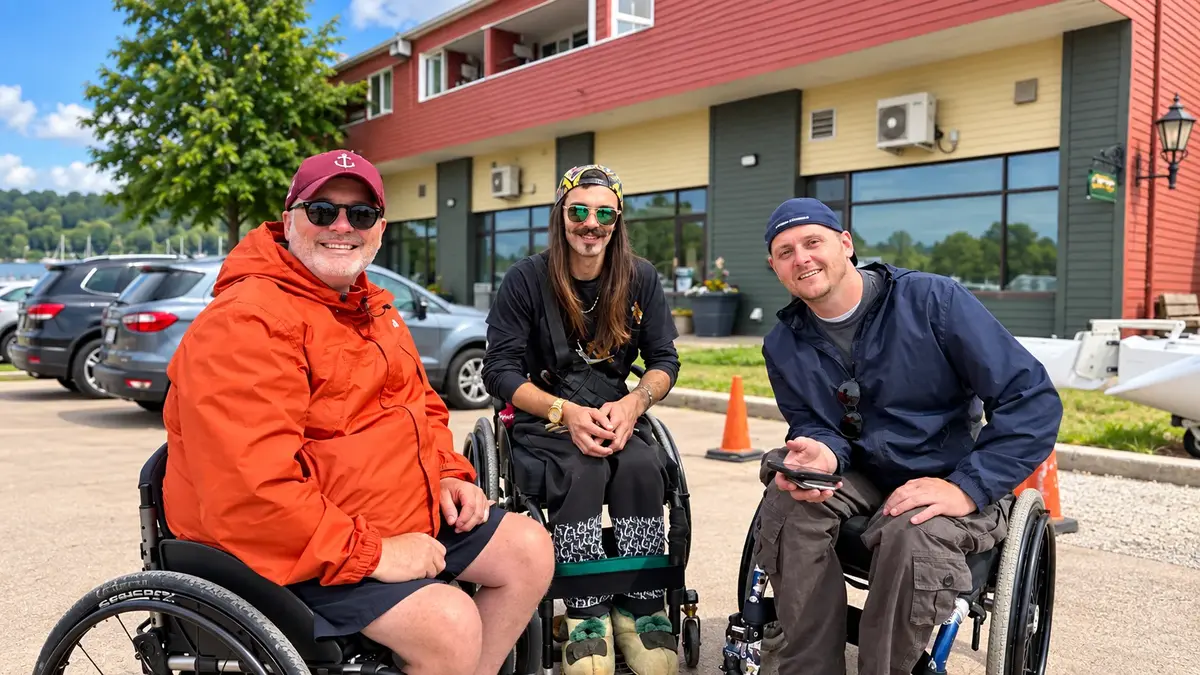
“Our volunteers and staff have ‘been there; done that.’”
What a peer can offer
Peer support complements the care you get from hospitals, rehab and community services. It adds something only another person with a spinal cord injury can give: lived experience.
Someone who gets it
Talk openly with a person who lives with a spinal cord injury and knows what the early days feel like.
Practical know-how
Tips on everyday life: getting around, home changes, equipment, travel, work and staying healthy.
Hope for what’s next
See for yourself that a full, active life is possible, with its challenges and its good days.
Support for families
Partners, parents and kids are affected too. Peers can talk with family members together or on their own.
Support where you are
Whether you’re in hospital, back home or years into life with a spinal cord injury, there’s a way to connect.
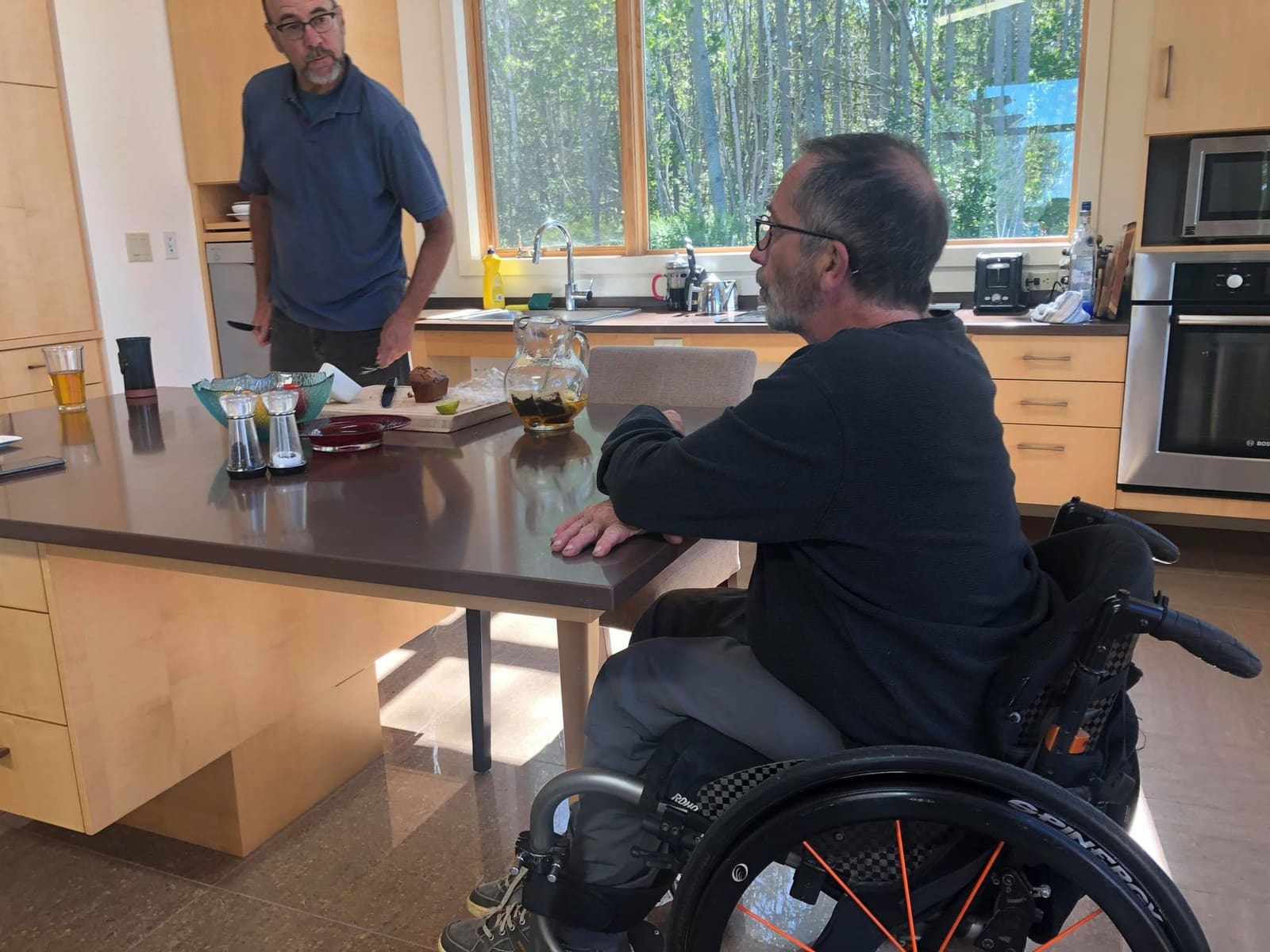
In hospital and rehab
A peer can visit during your stay on the Provincial Rehabilitation Unit at the Queen Elizabeth Hospital, when questions are big and new.
At home or by phone
After you go home, keep in touch one-on-one, in person or by phone, whatever works for you.
Across the Island
We have trained peer leaders in different parts of the Island, so support is closer than you think.
Groups and activities
Seated Fitness, online breathing, trivia and community events are relaxed ways to meet other members.
How to connect with a peer
Reach out
Call or email the office. You can ask for yourself, a family member or someone in hospital (with their OK).
We make a match
We’ll connect you with a trained peer, ideally someone near you or with a similar injury or experience.
Talk, at your pace
Meet once or keep in touch over time. There’s no pressure, and everything you share stays private.
Trained volunteers
Part of a national program
SCI PEI is a member of Spinal Cord Injury Canada’s national network. Our Executive Director and peer leaders take part in national peer support training, delivered online in a series of webinars, so Island peers learn from the best practices used across the country.
Become a peer volunteer
Living with a spinal cord injury, or supporting someone who does? Your experience could make all the difference to someone just starting out. We’ll provide the training.
More peer support online
SCI BC Peer Program
Spinal Cord Injury BC hosts online events, peer stories and resources that anyone can watch and learn from.
Spinal Cord Injury Canada
Our national network. SCI PEI is part of the national peer program and its training.
McGill SCI Peer Mentorship
A research-based peer mentorship program for people living with spinal cord injury.
New to spinal cord injury? Our step-by-step guide and video library are good places to start.
Questions
Who are the peer volunteers?
People who live with a spinal cord injury or another physical disability, and family members of people with an injury. They come from all walks of life and have completed peer support training.
Is peer support a replacement for my health care team?
No. Peers share lived experience and practical information. They work alongside, not instead of, your doctors, nurses and therapists.
Do I need to be newly injured?
Not at all. Peer support is for anyone living with a spinal cord injury, whether it happened last month or thirty years ago, including people facing new challenges as they age.
Is what I share kept private?
Yes. Peer volunteers are trained to listen and to respect your privacy.
Ready to talk?
Reach out for yourself or a loved one. A conversation with someone who understands can change everything.